SITUATION
It used to be impossible to avoid methane emissions from high-pressure compressors with conventional gas-lubricated tandem mechanical seals – until now.
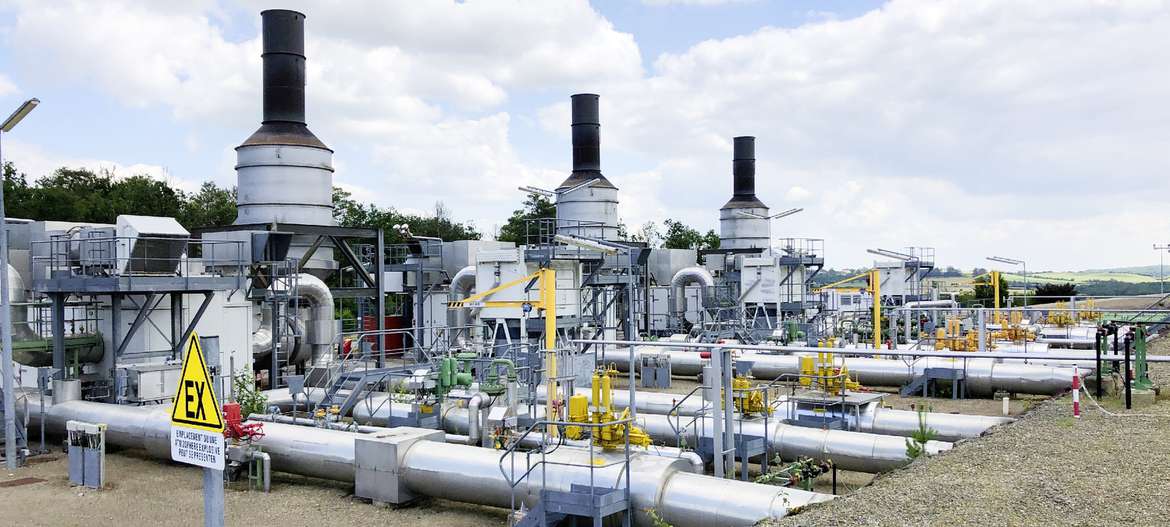
A mechanical seal was replaced at GRTgaz, which for the past year has prevented the process gas compressors leakage commonplace when running natural gas compressors. Other benefits: less maintenance and higher safety.
SITUATION
It used to be impossible to avoid methane emissions from high-pressure compressors with conventional gas-lubricated tandem mechanical seals – until now.
CHALLENGE
Design and delivery of the first emission-free dry gas seal for a pipeline compressor.
SOLUTION
CobaDGS compressor seal as a complete solution with high-pressure nitrogen generator and supply system.
There is no way to prevent emissions entirely when operating natural gas compressors: The design of the turbo compressors used on compressor stations makes them susceptible to leakages. This is because the gas-lubricated mechanical seals used at high pressures, like other components, do not fully seal up.
In addition, the tandem dry gas seals may require the compressor to be vented when at a standstill, which is time-consuming and gives off emissions. French transmission system operator GRTgaz was not content to put up with these issues. Its infrastructure is made up of 30,000 kilometers of pipeline network with around 10,000 valve stations as well as 26 compressor stations. The company has always focused on innovations and the use of the best available technology to improve environmental protection.
In 2016, the company set itself an ambitious goal to minimize methane emissions, aiming to reduce them to one third in just four years. After it had already halved emissions in the first two years, the company contacted the engineers at EagleBurgmann as part of its research into technical possibilities for further decarbonization measures.
The goal: to build an emission-free dry gas seal for turbo compressors and test it for a year – first internally and then in practical use. For the pilot project, the sealing experts converted a compressor at a compressor station to the innovative new product known as the CobaDGS.
For the newly developed CobaDGS dry gas seal, EagleBurgmann has adapted the coaxial design of its nitrogen supplied separation seal CobaSeal. Further secondary seal faces were arranged behind the coaxial seal. At the same time, the components were designed for higher operating pressures, giving the CobaDGS a level of safety on par with that of a tandem seal.
The innovation eliminates process gas leakage at the compressor station during operation and downtime alike. Since it is continuously supplied with nitrogen during operation, the process gas is not discharged into the atmosphere (venting), which is standard procedure with tandem seals.
According to EagleBurgmann‘s calculations, a CobaDGS seal upgrade can prevent up to 228,000 m³ of gas emissions per compressor in one year, depending on the nature of a plant. This corresponds to more than 12,500 t of CO2.
The system not only ran safely and robustly at pipeline operating pressure but also during a simulated nitrogen failure. The CobaDGS thus achieves a higher level of safety than ever before, with a longer mean time between maintenance (MTBM) as an added bonus. The compressor housing did not need to be modified, so the seal could be easily retrofitted.
In addition to developing the seal, EagleBurgmann’s services included the design of an entire nitrogen generation and supply system on site: An autonomous container with accumulator generates the gas from the air through pressure swing adsorption and secures supply at the remote location in France. The high-pressure genera - tor was installed outside the ATEX zone so as to ensure protection from explosions.
The CobaDGS not only proved itself in EagleBurgmann’s test rig, but it also showed that natural gas compressors can be operated without fugitive emissions in practice. It thus provides an important building block for secure and environmentally friendly gas supply over the long term. The CobaDGS – as a complete solution with nitrogen generator and supply system – also simplifies procurement, coordination, and implementation.
For further information on the CobaDGS, click here.
Fugitive methane emissions in natural gas compressor reduced to zero.
CobaDGS upgrade proves to be a successful decarbonization measure.
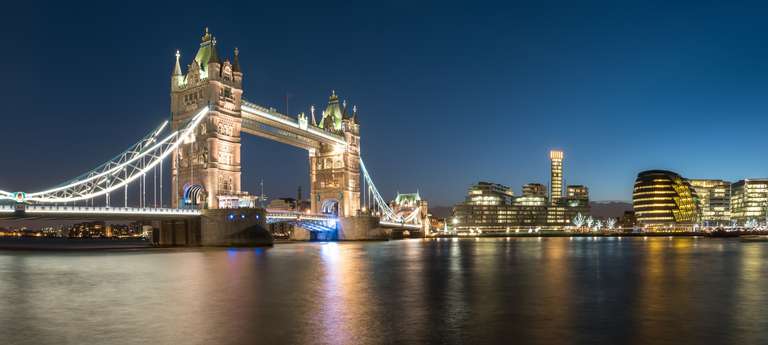
In Great Britain, a shortage in natural gas supply has severe consequences: Since the country switched from coal-fired to gas-fired power stations, a gas supply shortage makes households and industrial consumers not only vulnerable to failing heating and gas stoves, but also to power outages. Companies along the value and transportation chain of natural gas are therefore especially dependent on reliable equipment.
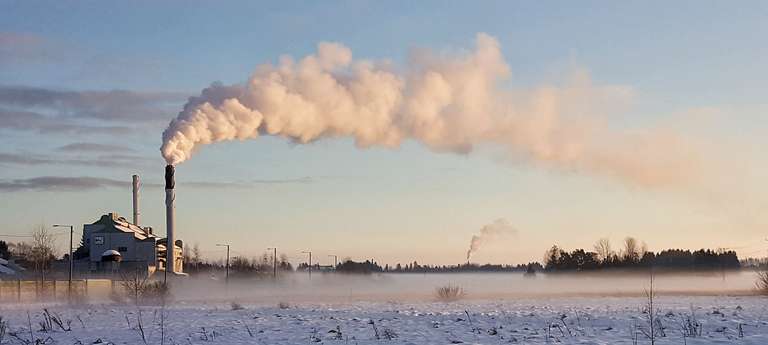
A boiler circulation pump in a power plant conveys very hot and pressurized water. The pump has no cooling jacket, which increases the risk of a thermosiphon effect.

By means of custom-made PLUG & RUN expansion joints with a more wear-resistant material, EagleBurgmann was able to provide a solution which ideally fulfills the requirements with regard to wear while at the same time significantly reducing the changeover time.
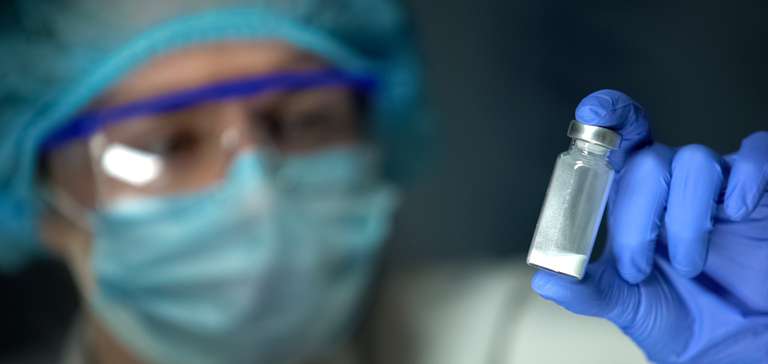
Mechanical seals are not always the best choice. In roller dryers used in the production of pharmaceutical powder, abrupt shaft deflections during processing led to increased seal wear. Operation was maintenance-intensive and prone to faults.
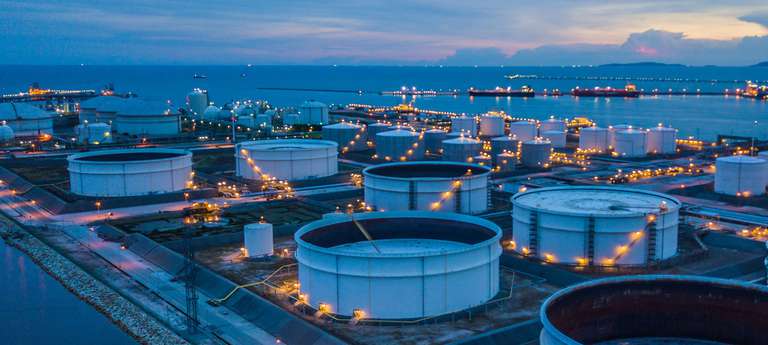
Special expansion joints from EagleBurgmann compensate for these position changes and work reliably even under unfavorable conditions such as low temperatures, proximity to the sea and explosive environments.
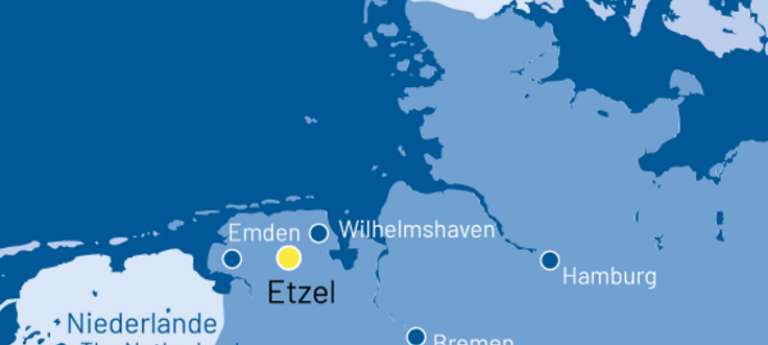
The Etzel oil and gas cavern system is situated southwest of Wilhelmshaven, not far from the North Sea coast. A vast salt dome houses the more than 70 caverns which store crude oil and natural gas at depths between 900 and 1,700 meters. Etzel is integrated in the northwest European oil and gas pipeline network and makes a significant contribution to the safe and reliable supply of gas to Germany and all of Europe.